

Why Artificial Intelligence is No Longer Optional for Future Marketers

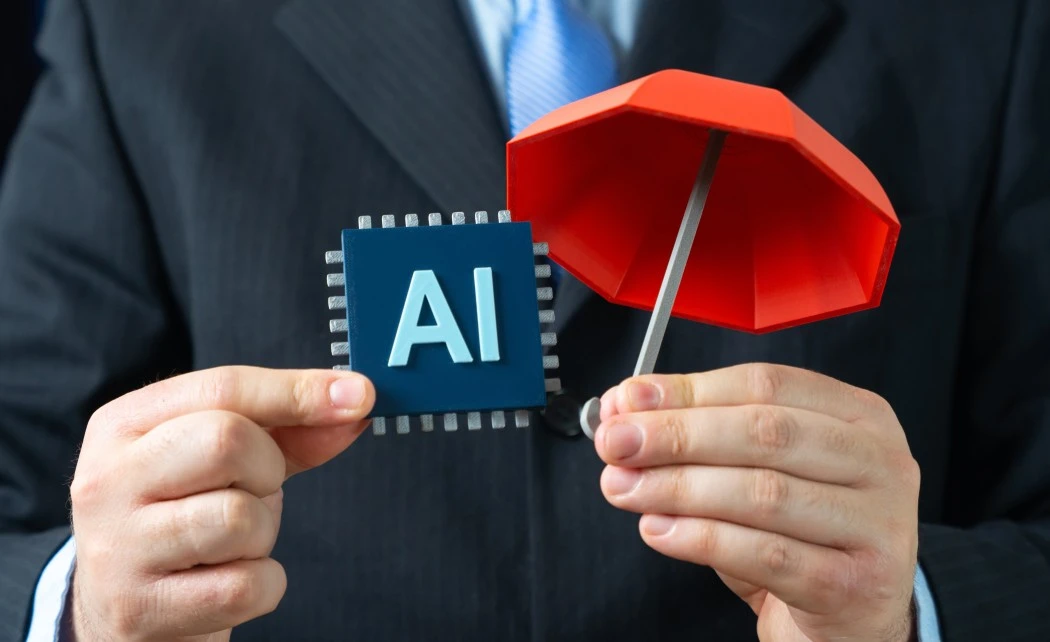
Marketing is undergoing a paradigm shift that is unprecedented. Traditionally, marketing has been more of a human instinct based, experience driven, and with very limited customer input. However, in the current digitally connected world, consumers generate immense amounts of data through their online activities, purchase patterns, social media interactions, and content consumption habits. Artificial Intelligence (AI) is one of the most effective tools available to marketers, enabling them to convert this data into meaningful insights. For future marketers, AI is more than just another technology or tool to learn; it is becoming the foundation of effective marketing strategies, customer engagement, and competitive positioning.
Marketing decisions used to be based essentially on intuition and past experiences. Marketers would launch campaigns based on their gut feeling, only looking at the results afterward to figure out what worked and what didn’t. This method is not only slow; it is also inaccurate. AI has completely revolutionized this procedure by providing real time analysis (and predictive insights). With machine learning algorithms, marketers have the capability to digest massive data, thus being able to spot customer behavior patterns, uncover new trends, and even predict what customers will demand. This change gives marketing the chance to switch from being reactive to strategic planning. AI is a wonderful tool that marketers can use to make these well-informed decisions that lead to better targeting and generating superior marketing results. Modern consumers expect brands to recognize them and be able to give them value. Artificial Intelligence (AI) can analyze individual, level data such as browsing history, purchase behavior, or engagement patterns to produce marketing messages that are extremely personalized.
Unlike traditional mass marketing that does not differentiate, AI-driven personalization enables each customer to receive content and recommendations that are exactly tailored to their needs. As a result, customers are more satisfied, there is higher engagement and conversion rates are improved. AI usage will become increasingly popular among marketers in the future, but the approach of these strategies will be customer-centric with an emphasis on delivering value through relevance and personalization in order to deepen long term relationships with the customer.
One of the most impressive abilities of AI is predicting future events. AI enables marketers to anticipate customer actions such as the chance of buying, reacting to marketing, or abandoning a brand by evaluating both past and behavioral data. Businesses leverage this predictive feature to develop proactive strategies for marketing teams, for instance, in the precise targeting of those customers who are more likely to respond, re-engaging customers who are at the risk of churn or determining the time for the next purchase most efficiently. Marketers are no longer restricted to guessing, but instead, they get a scientific and data backed way of decision making. Predictive analytics is bound to become an essential tool for marketers of the future, not only allowing them to gain in productivity but also lowering the element of risk and resulting in greater marketing ROI.
Automation and marketing have become more efficient with the integration of AI. Marketing departments have a lot of repetitive chores that take up a lot of their time, such as sending out emails, segmenting customers, database management, and replying to daily queries. Automation based on AI enhances the efficiency of these tasks greatly because of the speed and precision of the task execution. With the help of automation, brands can send personalized messages, optimize their ads instantly and handle customer communication using smart chatbots. This method brings down the operational expenditure while still delivering better consistency and fast response ability. As a result, marketers who are just starting out will devote less time to task-oriented and operational activities and more time to understanding data. In fact, they will focus solely on strategic initiatives. Content remains the main focus of marketing communication, and AI is playing an increasingly important role in content generation and further development. AI software can be used to understand what kind of content the audience prefers, find out obvious trending topics and offer suggestions for content that has the highest probability of exciting target audiences.
Further, AI is capable of helping in search engine optimization (SEO) where the content can be made to be not only discoverable but also interesting. Through analysis of various performance metrics, AI would provide an insight to marketers as to which kinds of content are the most effective and how they can be improved even further. While AI is mostly prescriptive, human creativity in marketing is still the major factor that influences storytelling and emotional connection the most, besides the ability to differentiate your brand. AI will be a collaborative tool for marketers, one that complements their creativity and brings out the best in them.
While AI offers a wide range of benefits, it also brings up critical ethical issues related to data privacy, transparency, and fairness. Marketers must handle consumer information ethically and in accordance with the law. It is essential to the building of trust in AI based decisions to ensure transparency. Future marketers should find a way to coexist between cutting edge technologies and ethical responsibilities, ensuring that AI contributes rather than undermines customer relationships. Sound marketing ethics will help establish brand reputation and customer loyalty over time.
Author
Dr. Amit Dangi
Associate Professor
Department of Management and Commerce
The North Cap University, Gurugram
Research Area: Online Retailing, Decision Making, Consumer behavior.
LinkedIn: https://www.linkedin.com/in/dr-amit-dangi-0647a424/